Tezcatlipoca
In the Shadow of the Smoking Mirror
There is a place where acts no longer follow their expected sequence — where causation loses its grip, and things fall not downward but sideways, into chaos. This is a domain that recalls Tezcatlipoca: the god of night, of discord, of sudden and merciless change. Known as the Smoking Mirror, he is a deity who watches the world through obsidian, seeing fates yet to unfold. He is neither wholly evil nor wholly good — he is transformation itself, the force that turns fortune into ruin and order into corruption, without warning or mercy.
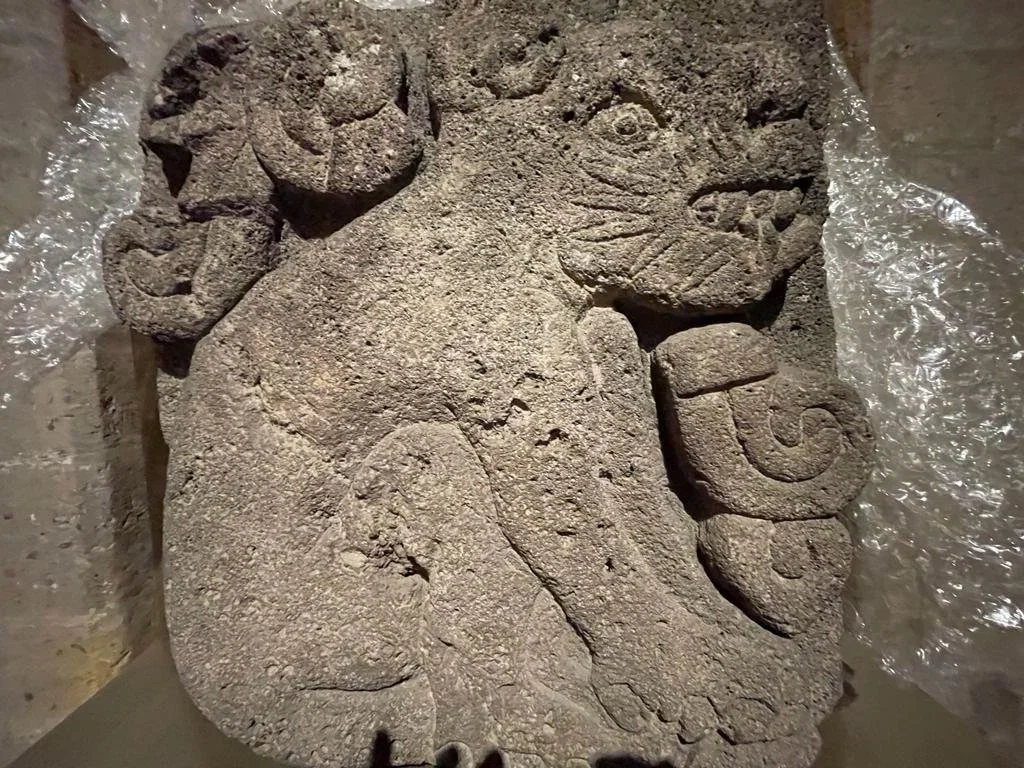
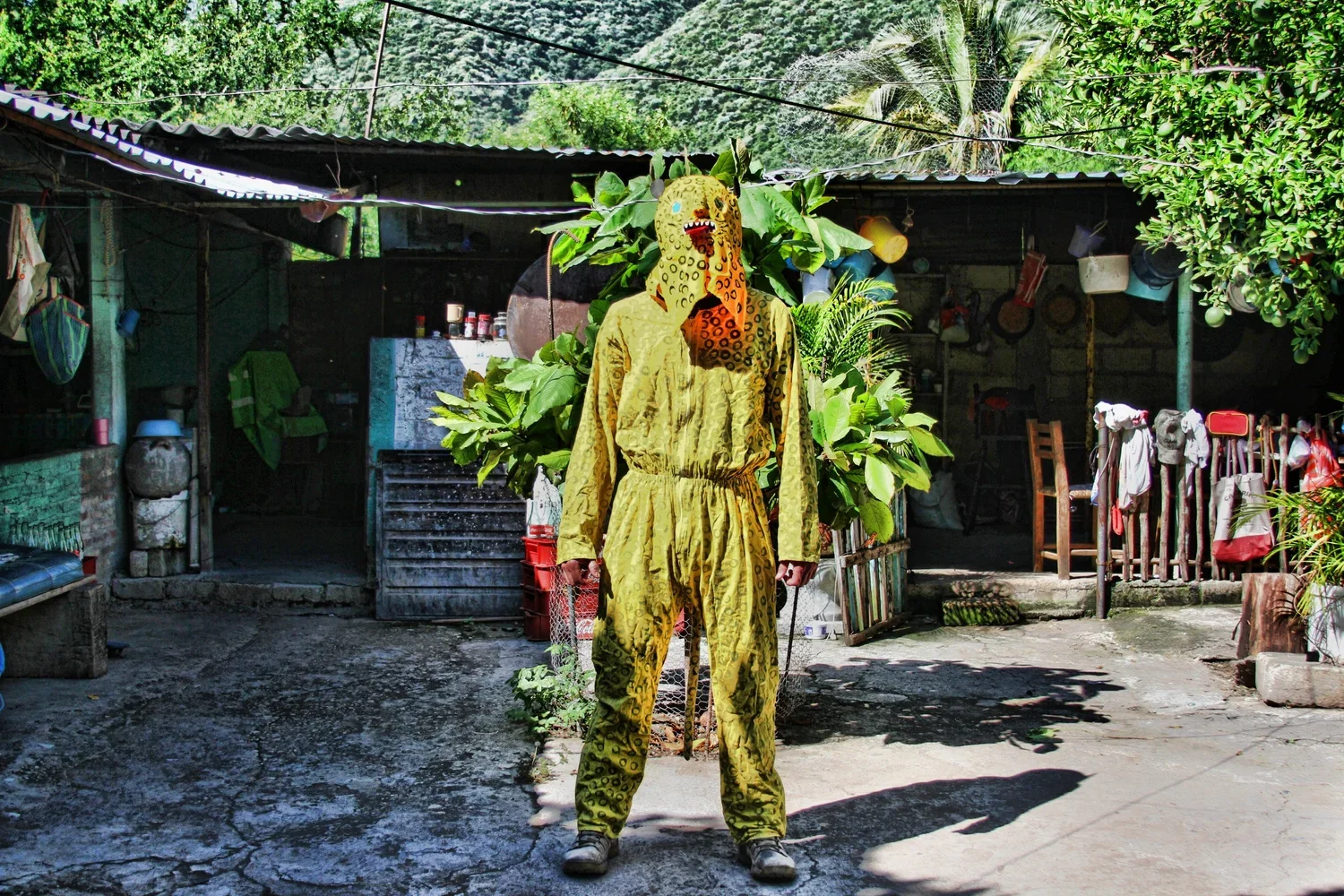
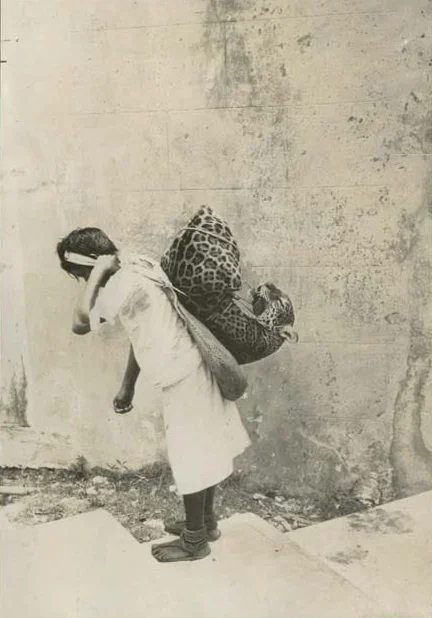
Tezcatlipoca rules over enmity and sorcery, over the unseen rivalries that shape human affairs. He is said to walk the earth as a jaguar, prowling the darkness, testing men, tempting them toward their own undoing. Where he passes, certainty dissolves. He embodies a world governed not by law, but by the unpredictable turbulence of desire, deception, and power.
He is also a god of contradictions — worshipped and feared in equal measure, invoked for protection even as he is blamed for misfortune. He is known by many names at once: lord of the near and the far, enemy of both sides, a force that can elevate a man to greatness only to cast him down without cause. To live under his gaze is to accept that fate is not earned through virtue, but distributed by whim.
In this way, Tezcatlipoca remains one of the most unsettling figures of Mesoamerican cosmology — not a villain to be defeated, but a permanent condition of the world: the ever-present possibility that everything solid might, without reason, become undone.